.webp)
Chief Executive Officer
IT Strategy Consulting helps businesses align their technology with long-term goals. Whether you're launching a new initiative or scaling operations, having the right roadmap is critical. In this blog, you'll learn what IT Strategy Consulting is, how it supports digital transformation, and what to look for in a consultant. We'll also explore how AI and analytics are shaping smarter workflows and how to optimize your investment in consulting services.
IT Strategy Consulting is the process of aligning your business goals with the right technology solutions. It’s not just about buying new software or upgrading systems—it’s about making sure every tech decision supports your business strategy.
A good IT strategy consultant helps you assess your current systems, identify gaps, and build a plan that supports growth. This includes everything from infrastructure and cybersecurity to cloud migration and automation. The goal is to make sure your IT investments deliver real value and support your long-term goals.

Working with a consultant can be a game-changer, but only if you follow the right steps. Here are some key areas to focus on:
Before any strategy can be built, you need to know what you're aiming for. Whether it’s improving customer service, reducing costs, or expanding into new markets, your goals should guide every IT decision.
Understanding what you already have is essential. A full audit of your systems, software, and processes helps identify what’s working and what needs to change.
Once you know your goals and current setup, the next step is spotting gaps. This could be outdated software, security risks, or inefficient workflows that slow your team down.
A roadmap outlines what needs to happen, when, and how. It should include timelines, budgets, and key milestones so everyone knows what to expect.
Your IT plan should support your overall business strategy. That means making sure every tech investment helps move the business forward, not just solve short-term problems.
Technology and business needs change. A good strategy includes regular check-ins to make sure you’re still on track and adjust when needed.
IT strategy isn’t just for the IT team. Involving leaders from across the organization ensures the plan supports all departments and gets the buy-in needed for success.
Working with an experienced consultant brings several advantages:

AI is no longer just a buzzword—it’s becoming a core part of IT Strategy Consulting. From predictive analytics to automated workflows, AI tools help businesses make smarter, faster decisions.
Consultants use AI to analyze large sets of data, identify trends, and recommend solutions that are backed by real insights. This leads to better planning, more accurate forecasting, and improved operational efficiency. AI also helps automate repetitive tasks, freeing up your team to focus on high-value work.
Not all strategies are created equal. Here’s what to look for when building or reviewing your IT strategy:
Your IT strategy should be built around your business needs—not the other way around. Start with what your team needs to succeed, then find the tech to support it.
Your strategy should support growth. That means choosing systems and tools that can scale as your business evolves.
Security should be baked into every part of your IT plan. Make sure your strategy includes data protection, access controls, and compliance with industry regulations.
New tools should work with what you already have. A good consultant will help you avoid disruptions by ensuring smooth integration.
Every part of your strategy should have clear metrics. Whether it’s uptime, cost savings, or user adoption, tracking results helps you stay accountable.
Your IT strategy should support broader digital transformation goals. That includes modernizing systems, improving customer experiences, and enabling remote work.
Technology changes fast. Your strategy should include regular reviews and updates to keep everything current and effective.
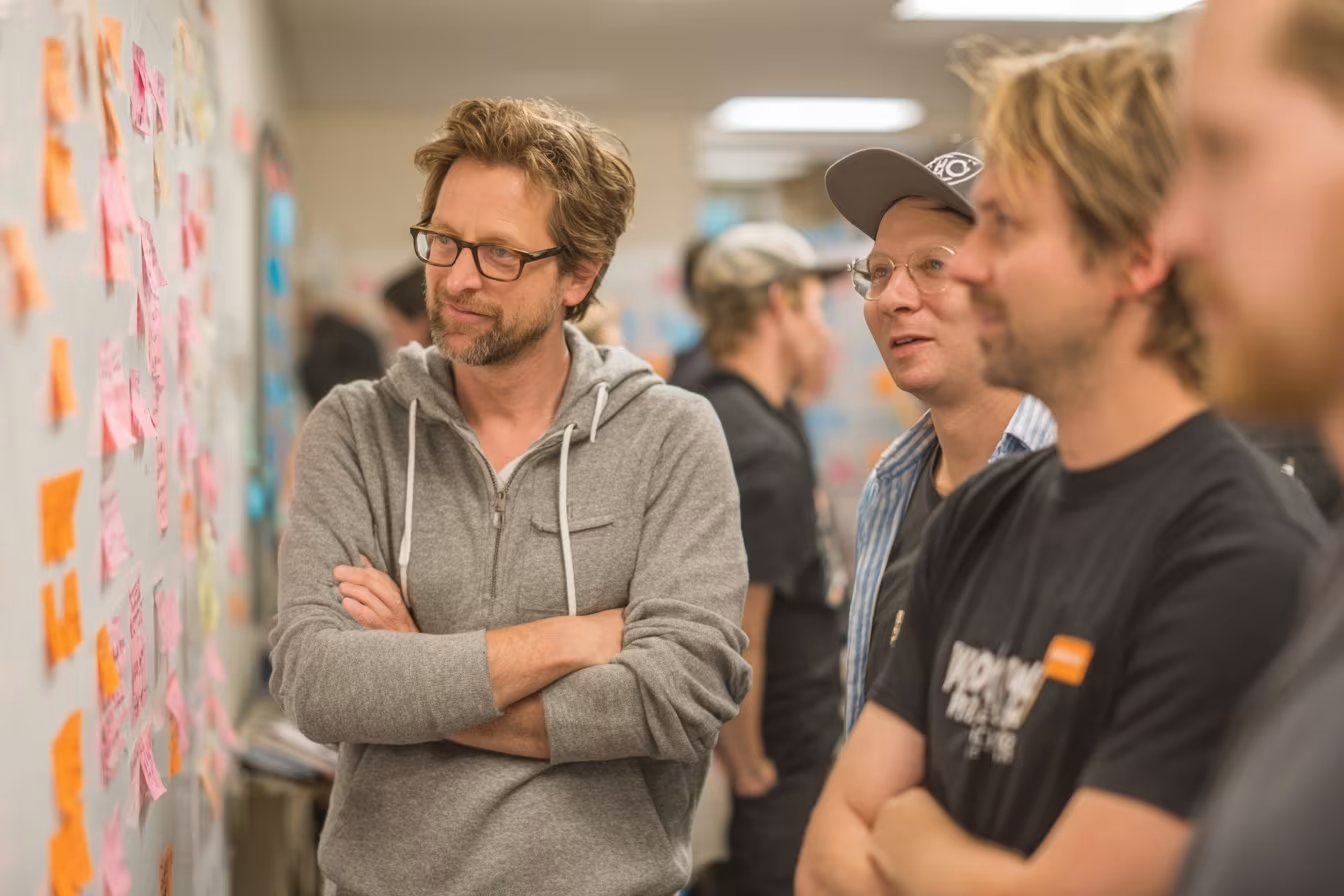
Once your strategy is in place, the next step is execution. This often starts with quick wins—small projects that deliver immediate value. These help build momentum and prove the value of the strategy.
From there, you’ll move into larger initiatives like system upgrades, cloud migrations, or workflow automation. Throughout the process, communication is key. Regular check-ins with your consultant and internal teams help keep everything on track.
To get the most from your IT strategy, follow these best practices:
A strong execution plan turns strategy into results.
Are you a business with over 10 employees looking to improve your IT planning? If you're growing fast and need a smarter way to align technology with business goals, our team can help. We specialize in helping businesses build practical, scalable IT strategies that support growth and reduce risk.
At AJTC, we work closely with your team to understand your needs, build a custom roadmap, and guide you through every step of the consulting process.
Strategy consulting helps align your IT investments with your business goals. A consultant works with you to understand your current systems, identify gaps, and build a roadmap that supports growth.
This process often includes analytics and workflow reviews to ensure your technology supports your organizational needs. It’s about making sure your tech choices drive real business value.
A consultant guides you through the digital transformation process by identifying outdated systems and recommending modern solutions. They help prioritize projects and manage change.
They also work with stakeholders to ensure the transformation supports business needs. This includes automating processes and using AI tools to improve efficiency.
IT strategy consulting services can include infrastructure planning, cybersecurity assessments, cloud migration, and software selection. The goal is to align tech with business strategy.
These services also cover analytics, workflow optimization, and stakeholder alignment. Each service is tailored to your business goals and operational needs.
A consulting firm brings outside expertise and a fresh perspective. They help you avoid common mistakes and speed up the planning process.
They also offer access to specialized skills in AI, analytics, and automation that may not exist in-house. This helps you build a stronger, more effective IT strategy.
The consulting process typically starts with an assessment of your current systems. From there, the consultant builds a roadmap aligned with your business goals.
This includes identifying key initiatives, setting timelines, and involving stakeholders. The process is collaborative and designed to meet your unique business needs.
Look for a partner with experience in your industry and a clear consulting process. They should ask the right questions and offer practical, tailored advice.
A good partner will also help you define your business strategy, automate workflows, and use analytics to track success. Trust and communication are key.

.svg)
.png)
.png)